
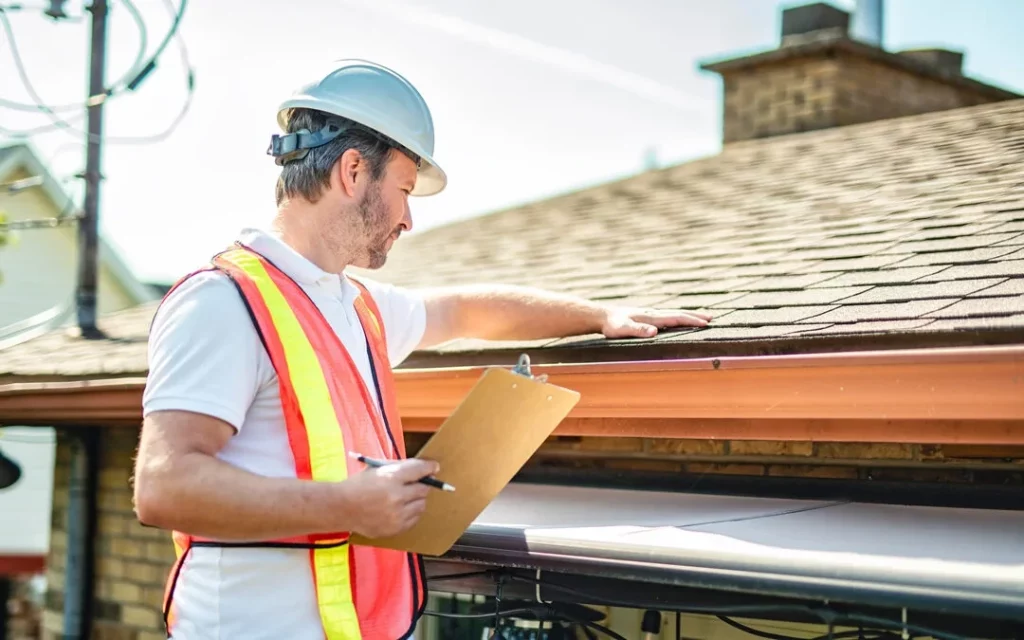
Regular roof inspections are essential for homeowners aiming to protect their property value. These inspections help identify potential issues before they escalate into costly repairs. Factors such as roof type and geographic location influence how often these checks should occur. Understanding the recommended frequency can greatly impact long-term budgeting strategies. However, many homeowners are unaware of how often should roof be inspected, which could lead to unexpected expenses if left unchecked.
Key Takeaways
- Regular roof inspections protect property value by identifying issues early, preventing costly repairs and maintaining structural integrity.
- Recommended inspection frequency varies: asphalt shingles every three years, metal roofs every five, tile roofs every four, and flat roofs annually.
- Geographic location, roof age, material type, and nearby trees influence how often inspections should occur for optimal maintenance.
- Homeowners should look for signs of damage, like sagging or dark stains, to schedule inspections sooner than the recommended intervals.
- Consistent inspections enhance curb appeal, potentially lower insurance premiums, and improve energy efficiency by ensuring roofs function effectively.
The Importance of Regular Roof Inspections for Homeowners
How essential is it for homeowners to prioritize roof inspections? Regular roof inspections play an important role in maintaining property value and ensuring safety. Homeowners are encouraged to inspect their roofs at least twice a year, ideally in the spring and fall. These inspections help identify potential issues such as leaks, damaged shingles, or wear from weather elements. By understanding how often the roof should be inspected, homeowners can proactively address concerns before they escalate into costly repairs. Additionally, routine inspections provide peace of mind, fostering a sense of belonging and security within the community. Ultimately, prioritizing roof inspections is an investment in the longevity of the home and the well-being of its occupants, making it a significant aspect of responsible homeownership.
Factors Influencing How Often a Roof Should Be Inspected
Regular roof inspections are a key component of responsible homeownership, but the frequency of these inspections can vary based on several factors. Geographic location plays a significant role; areas prone to extreme weather, such as heavy snowfall or hurricanes, necessitate more frequent checks. The roof’s age is another critical consideration; older roofs typically require inspections at shorter intervals to identify potential issues early. Additionally, the type of roofing material influences inspection frequency; some materials are more durable than others. Finally, the presence of nearby trees can increase the need for inspections due to debris accumulation. Homeowners should assess these elements to determine how often their roof should be inspected to maintain property value effectively.
Recommended Inspection Frequency Based on Roof Type
When considering the recommended inspection frequency based on roof type, it is essential to understand that various materials possess distinct characteristics affecting their longevity and maintenance needs. Asphalt shingle roofs typically require inspections every three years, as they can degrade due to weather exposure. Metal roofs, known for their durability, should be inspected every five years. Tile roofs, while long-lasting, benefit from inspections every four years to check for cracks or loose tiles. Flat roofs may need annual inspections due to their susceptibility to pooling water and debris accumulation. Ultimately, understanding how often roofs should be inspected helps homeowners maintain property value, ensuring timely detection of issues before they escalate into costly repairs.
Signs That Indicate Your Roof Needs an Inspection Sooner
Homeowners should remain vigilant for signs that indicate a roof needs an inspection sooner than the routine schedule based on roof type. Visible sagging or drooping in the roofline often suggests underlying structural issues requiring immediate attention. Dark streaks or stains on interior ceilings may signal water damage, indicating potential leaks. Shingles that are cracked, curling, or missing altogether are clear indicators of wear and tear that demand prompt inspection. Additionally, granules accumulating in gutters can signify shingle degradation, affecting the roof’s protective layer. Moss or algae growth can trap moisture, leading to further damage. Recognizing these signs early guarantees a proactive approach to maintaining the roof’s integrity and prolonging its lifespan, ultimately fostering a sense of belonging and security in the home.
How Regular Inspections Protect Property Value and Save Money
Conducting timely roof inspections can greatly protect property value and lead to substantial savings over time. Regular inspections allow homeowners to identify minor issues before they escalate into costly repairs, preserving the structural integrity of the home. This proactive approach not only enhances the property’s curb appeal but also strengthens its market value. Additionally, consistently maintaining the roof can result in lower insurance premiums, as insurers favor well-maintained properties. Homeowners can also save on energy costs by confirming that their roofs are functioning effectively, preventing heat loss or gain. Ultimately, understanding how often a roof should be inspected fosters responsible ownership and guarantees that investments in the home remain sound, providing a sense of security and belonging within the community.
Frequently Asked Questions
What Qualifications Should a Roof Inspector Have?
A qualified roof inspector should possess relevant certifications, extensive experience in roofing systems, knowledge of local building codes, and strong analytical skills. These qualifications guarantee accurate assessments and recommendations for maintaining roof integrity and property value.
Can I Inspect My Roof Myself?
Yes, individuals can inspect their roofs themselves, provided they take safety precautions and have basic knowledge of roofing materials. However, professional inspections are recommended for a thorough assessment and to identify potential issues effectively.
How Much Does a Roof Inspection Typically Cost?
A roof inspection typically costs between $100 to $400, depending on factors like location, roof size, and inspector experience. Homeowners should budget for these inspections to guarantee their roofs remain in good condition.
What Happens During a Roof Inspection?
During a roof inspection, professionals assess the roof’s condition, checking for damage, leaks, and wear. They inspect shingles, flashing, gutters, and ventilation systems, providing a thorough report to help homeowners maintain their property’s integrity and value.
How Long Does a Roof Inspection Take?
A typical roof inspection takes approximately one to two hours, depending on the roof’s size and condition. Evaluators thoroughly examine materials, drainage systems, and potential vulnerabilities, ensuring homeowners are well-informed about necessary maintenance and repairs.
Conclusion
To sum up, regular roof inspections are essential for homeowners aiming to protect their property value and avoid costly repairs. By understanding the factors that influence inspection frequency and adhering to recommended schedules based on roof type, property owners can proactively address potential issues. Recognizing signs that necessitate earlier inspections further enhances this preventative approach. Ultimately, investing time and resources into regular roof maintenance not only safeguards the home but also contributes to its long-term appeal and financial stability.
You May Also Like to Read: